Collagen for Hair Growth: Does It Work?
Table Of Content
- Vitamin D
- Prepping for Parenthood: The Optimal Time to Start Prenatal Vitamins
- How To Grow Your Hair Grow Faster
- Do prenatals have the same hair effects in pregnant and non pregnant women?
- How — and why — to fit more fiber and fermented food into your meals
- Should You Use Prenatal Vitamins for Hair Growth?
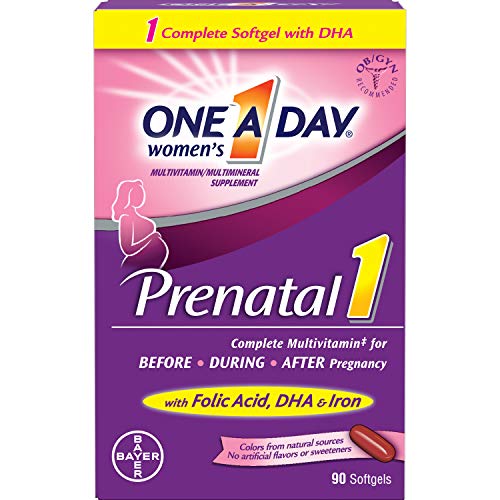
If you are not pregnant, there is no evidence to suggest that you should take prenatal vitamins for hair development. You’re much better off taking a clinically tested and manufactured to promote existing hair growth than another prenatal vitamin with Calcium and Folic Acid, two substances not related to hair growth or loss. Obstetricians and gynecologists also encourage prenatal vitamins for individuals who are not pregnant (but desire to be) in preparation for pregnancy. This helps ensure the body has enough access to essential vitamins and minerals for the baby's growth. While prenatal vitamins are designed for pregnant women, if you're not pregnant, it's generally safe to take them for hair growth. Hair growth is gradual, and changes may become more apparent over time.
I Tried Nutrafol's Hair Supplement—My Honest Review - Who What Wear
I Tried Nutrafol's Hair Supplement—My Honest Review.
Posted: Fri, 01 Dec 2023 08:00:00 GMT [source]
Vitamin D
If you stop taking them, your hair growth might go back to how it was before. Supporting your body's natural collagen production is an alternative to taking collagen externally. Collagen production gradually drops as we age, but other factors, such as certain lifestyle habits, can prompt production to drop more quickly. There isn't evidence from human studies that collagen taken orally will end up in one's skin, nails, or hair. Collagen is a structural protein found in tissues in skin, hair, nails, cartilage, bones, and tendons. By working with other substances, such as elastin and hyaluronic acid, collagen helps maintain skin elasticity, volume, and moisture.
Prepping for Parenthood: The Optimal Time to Start Prenatal Vitamins
Registered dietitian Courtney Barth, RD, explains the possible benefits of biotin and whether this nutrient could help you. Many pregnant women do radiate a gorgeous glow, and provoke hair-envy in those of us who aren't in the mom zone. But realize that their rush of pinked cheeks and thicker, denser hair is probably the result of tsunamis of estrogen. And if she's a smart mother-to-be, she's eating and living with great intention.
How To Grow Your Hair Grow Faster
One of the main consequences of a biotin deficiency is hair loss. One study found that several prenatal vitamin brands were contaminated with heavy metals, while another evaluation found that mineral content levels in numerous prenatal vitamin brands varied widely. Dietary supplements aren't regulated in the United States the way medications are. Vitamin companies aren't required to provide extensive evidence about health benefit claims, so dosages and ingredients may vary among brands—or even be misleading.
Some studies have suggested that it can also potentially be used to treat hair loss, according to a 2019 review, but the research is still inconclusive. Unfortunately, there isn't much evidence for biotin's role in hair growth. Stefanie Ferraro, a midwife in New York City, echoes this sentiment.
How — and why — to fit more fiber and fermented food into your meals
Micronutrients play an important, but not entirely clear, role in normal hair follicle development and immune cell function. Certain vitamins and minerals are beneficial for maintaining different properties in the body, including hair, skin and nails. Prenatal vitamins are packed with vitamins and minerals essential for developing babies that just happen to also be good for your hair and skin. Many contain B complex vitamins that are helpful for hair growth, especially biotin, so it’s not a stretch to think that taking prenatal vitamins could make your hair grow.
This multivitamin helps to make your hair shiny as well as promoting hair growth. Will prenatal vitamins help with hair loss, even if you aren’t pregnant? If you’re not pregnant, there are a few things to consider before taking a prenatal vitamin for hair growth. Iron is essential for hair health, as it helps to increase blood flow and oxygen delivery to your hair follicles, which helps your hair grow faster and stronger. Vitamin D is crucial for maintaining healthy hair growth by stimulating the production of new hair follicles. Without enough vitamin D, your hair may become dry and brittle, and you may even be at risk for developing alopecia areata, an autoimmune condition that causes patchy hair loss.

That said, you’ll generally require a bit less folic acid outside of pregnancy, and a prenatal vitamin might not be necessary if you’re not pregnant. Our focus at Fully Vital involves crafting premium hair growth products, acknowledging the significance of essential vitamins and minerals. All major health organizations recommend you choose a prenatal vitamin with folic acid — at least 400 micrograms. It also plays a role in preventing certain birth defects.” Doctors will recommend that women trying to get pregnant take folic acid at least one month prior to conception, as well as during pregnancy. Thiamin (vitamin B-1) helps increase blood flow to your hair follicles by relaxing blood vessels, allowing for better circulation of oxygen and nutrients that support hair growth and a healthy scalp. Postpartum hair shedding can vary, but typically lasts for about 6-24 weeks.
The nice thing is knowing that it will provide the correct nutrients for you and your child. Consuming too much in supplement form has the potential to mask a severe vitamin B12 deficiency in those who don't have their levels tested. High folic acid levels may correct the anemia that the vitamin B12 deficiency causes but not the nerve damage. Folic acid supplements can also interact with several medications. Many women don’t have adequate amounts of these vitamins before pregnancy. Of note, they’re highly important in the early stages of pregnancy, even before many women even realize they’re pregnant.
Higher hormone levels during pregnancy can lengthen the growth phase of the hair follicles, increase nourishing scalp oil production, and boost blood flow to the scalp -- all great things for healthy and fast-growing hair. This is the common rationale for taking prenatals for hair health. Even if you’re eating a healthy and well-balanced diet, preparing your body for pregnancy and the needs of a developing baby can be critical for a healthy pregnancy. Ideally you’ll want to start at least 3 months before conception or as soon as you decide you want to conceive. Supplements aren’t designed to replace a well-balanced diet, but can help support your nutrition levels and the many vital nutrients you might need to support a pregnancy.
Sure, you can take prenatal vitamins after pregnancy to support hair growth. They can also be beneficial if you’re planning to become pregnant. In such cases, prenatal vitamins can help prepare your body for pregnancy by ensuring you’re getting the recommended levels of key nutrients.
Along with other ingredients like thiamine, riboflavin, and niacin these vitamins help you get the nutrients you need to support a developing fetus and have a healthy pregnancy. As we mentioned, eating a healthy, well-balanced and colorful diet is the best way to ensure your body is receiving all the vitamins and nutrients it needs to support not only your hair health but your overall health, too. Foods that promote healthy hair, skin and nails include fruits, vegetables, proteins and healthy fats that are packed with nutrients including vitamins A, B, C, D and E as well as such as calcium, iron, folic acid and zinc. Neither biotin supplements nor prenatal vitamins have been proven by studies to lead to hair growth.
This enhances pregnancy and fetal development by promoting good health. This supplement is produced under the supervision of the USDA and Non-GMO Verified to assure quality. Organic kale, broccoli, and other cruciferous sprouts from organically grown plants are included for optimal estrogen levels and metabolism.

Scroll through TikTok or Instagram and you'll easily find thousands of women who will anecdotally share that prenatal vitamins helped their hair grow during pregnancy. Run this theory by a board-certified doctor, and they'll likely tell you that's not the case. Oral collagen supplements may be sold as pills, powders, or certain foods. They may be in the form of collagen peptides or hydrolyzed collagen, which are forms of collagen that are broken down and more easily absorbed. Collagen supplements contain amino acids (the building blocks of protein). They may also contain additional nutrients such as vitamin C, zinc, or biotin.
It is not, nor is it intended to be, a substitute for professional medical advice, diagnosis, or treatment and we recommend that you always consult with your healthcare provider. To the extent that this article features the advice of physicians or medical practitioners, the views expressed are the views of the cited expert and do not necessarily represent the views of Perelel. Our Conception Support Pack is formulated to prepare your body for pregnancy with antioxidant support, added omegas, additional folate and a full-spectrum prenatal vitamin. In some cases, taking a prenatal multivitamin may not be a good idea. Prenatals contain more folic acid or folate, along with iron, compared to other multivitamins.
When looking for the best prenatal brand, it's a good idea to consider whether the brand is trusted, the vitamins are third-party tested, and the ingredients meet your nutritional needs. ‡These statements have not been evaluated by the Food and Drug Administration. Some notice no difference in their hair at all despite taking the supplement for months. And if they are not feeling their best, they may not be able to function as they should at school or in other activities. Among some of the most common ailments that kids have today include learning disabilities, insomnia, and...


Comments
Post a Comment